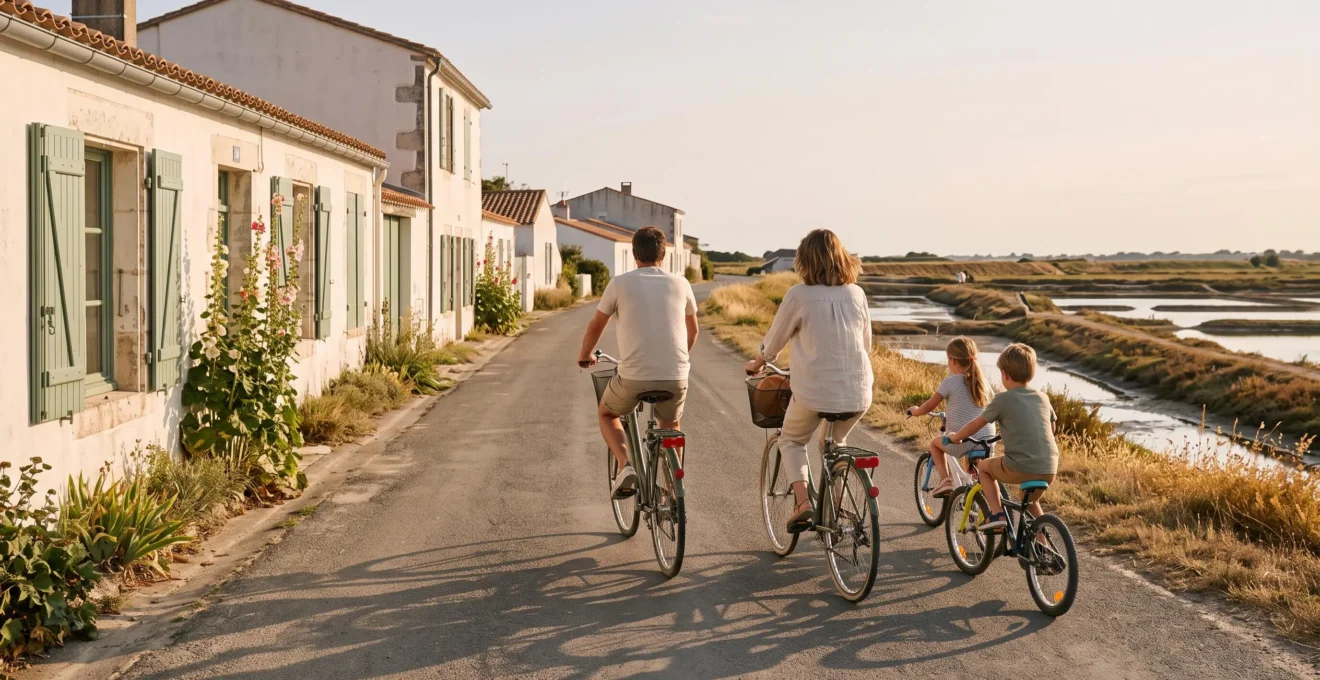
Île de Ré is perfect for a luxury family holiday because it delivers low-key, high-quality experiences—beautiful villages, protected landscapes and good food—without making family logistics feel hard work. In practice, the island’s flat terrain and village-to-village cycle network make it unusually easy to keep children entertained while adults still get the “upmarket” details that matter.
If you’re wondering whether it’s genuinely suited to both high-end expectations and real-life family needs, the short answer is yes—provided you plan around seasonality (crowds, opening hours, availability) and decide early whether you want to be walkable to a harbour village or closer to beaches and open landscapes.
What makes Île de Ré work for upscale family travel
- Effortless getting around: a flat island designed for cycling and short hops between villages.
- Scenery with variety: beaches, dunes, pinewoods, vineyards and salt marshes in one compact place.
- “Quiet luxury” feel: refined villages and a slow pace rather than flashy resort life.
- Family-friendly days: markets, simple beach time, and food experiences that can suit mixed ages.
Why Is Île de Ré Perfect for a Luxury Family Holiday?
It’s “luxury” in the sense many families actually want: space, calm, good design and good taste—paired with days that don’t require constant planning. Île de Ré’s appeal comes from the combination of preserved nature and villages that feel polished without being precious, so you can dress up for dinner yet still spend the afternoon building sandcastles or cycling to an ice-cream stop.
For families, the island’s rhythm matters as much as its scenery. Short distances reduce the stress of moving around with children, while the everyday pleasures—morning markets, harbour walks, beach time—slot into a routine that feels special without feeling staged.
Is the island genuinely “luxury” as well as family-friendly?
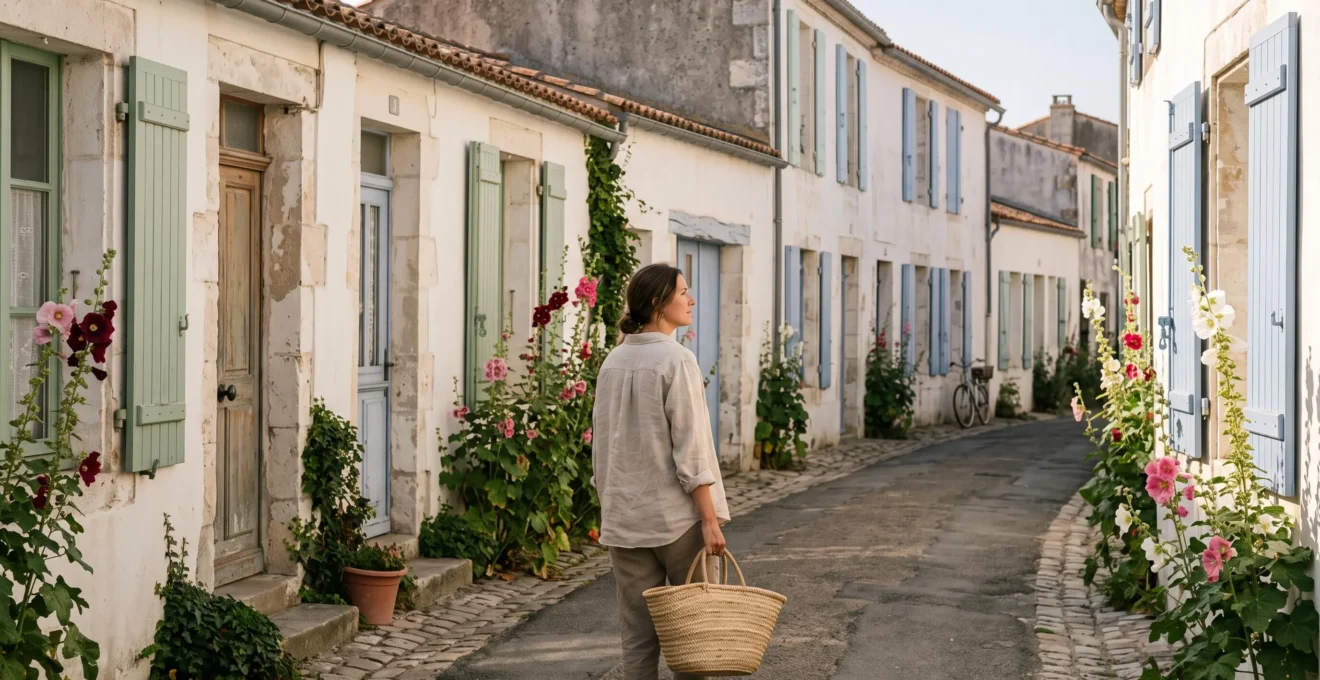
Yes—because the island’s premium feel is rooted in place rather than spectacle: historic ports, whitewashed houses with coloured shutters, and landscapes shaped by salt marshes and vineyards. That backdrop supports the kind of high-end holiday many parents prioritise: privacy, quality time, and the option of refined dining or boutique shopping in between family activities.
As a reality check, it’s wise to think of Île de Ré as quiet, understated luxury rather than a destination built around large-scale resorts or big-ticket attractions. If your benchmark is a busy “kids club and waterpark” format, you may find the entertainment more low-key and self-directed.
How easy is it to reach from the UK?
Access from the UK depends on your departure airport and travel dates. La Rochelle Airport can be a convenient option when suitable flights are available, while travelling by train and continuing by road offers an alternative for families who prefer not to fly. In either case, the island is connected to mainland France by a toll bridge, so it is worth planning the final transfer before choosing your accommodation.
In practical terms, families often choose the option that keeps transfers simple: fewer changes with luggage, easier timing around naps, and flexibility once on the island. If you’re travelling in peak school-holiday periods, building in a buffer day at either end can reduce pressure if traffic or queues slow you down.
A typical luxury family day on Île de Ré (what it really feels like)
Picture a slow start: a walk or cycle into a village market to pick up fruit, pastries and picnic staples—children can choose what they’ll eat, which instantly makes the day easier. Midday is for a beach you can reach without a long drive, with an unhurried lunch that doesn’t feel like “settling”. Then, as the light softens, you swap sandy feet for a harbour stroll and a calmer dinner where adults can enjoy the setting while children are happily tired.
This is the island’s sweet spot: simple logistics, high-quality surroundings. The luxury is in the ease—less time coordinating, more time actually being together.
The Villages and Landscapes That Shape the Island’s Charm
Île de Ré feels special because its “postcard” moments aren’t confined to one showpiece town. Several villages have distinct personalities—ports, markets, quieter lanes—so you can shape your stay around the atmosphere you prefer, then change scene easily when your children need variety.
The landscape matters just as much as the architecture. Vineyards, pinewoods, dunes and salt marshes create a sense of space that can feel restorative—especially for families coming from cities—while still keeping you close to cafés, cycle hire and beaches.
Which villages give Île de Ré its upmarket feel?
Saint-Martin-de-Ré combines a lively harbour, a compact historic centre and the Vauban fortifications, giving families plenty to explore on foot. Its shops, cafés and restaurants also make it a practical base for those who want everyday amenities within easy reach.
La Flotte has a distinct harbour setting and a market area that gives the village much of its character. Its narrow streets and waterfront create a more intimate atmosphere, while its central location makes it convenient for exploring other parts of the island by bike or car.
Why do salt marshes and vineyards matter for a luxury family holiday?
Because they change how your days feel. Beaches are wonderful, but they can blur into one another on any coastline. Salt marshes and vineyards bring contrast—new textures, wildlife spotting, sunsets that invite an early-evening walk, and a slower pace when the beach feels too busy.
They also support the “authentic yet polished” balance many upscale travellers look for: you’re not consuming a resort bubble, you’re spending time in a working landscape. That sense of place is hard to replicate elsewhere.
Is Île de Ré actually a high-end destination, or just popular?
Île de Ré has a well-developed upscale hospitality offering, but it is not an exclusive resort reserved for a limited clientele. In its feature on the island, Forbes highlights its appeal to discerning visitors and mentions several luxury accommodation options. This helps explain its premium image without suggesting that the island itself is private or inaccessible.
The key nuance for families: the island can feel premium without being formal. You’ll still share beaches and cycle paths with other holidaymakers, especially in summer, so the “luxury” is best understood as comfort, atmosphere and quality rather than emptiness.
What Family Experiences Set the Island Apart?
The standout family experience on Île de Ré is how easy it is to build days around cycling, beaches and food without needing constant bookings. You can fill a week with small, memorable moments—simple enough for children, satisfying enough for adults—then dial things up (a special dinner, a more refined hotel) when you want that extra touch.
138km
Cycle paths on Île de Ré, according to the official Destination Île de Ré tourist office.
The official Destination Île de Ré tourist office lists 138 km of cycle paths and highlights their suitability for family outings. This network makes it easier to explore the island without relying on the car for every journey. Families should still choose routes according to their children’s ages and cycling abilities, but the relatively flat terrain can make shorter rides more manageable.
Is Île de Ré good for families with young children?
For many families, yes—especially if your children can handle short rides or sit comfortably in a bike seat/trailer. The island is described by the official tourist office as mostly flat, which can make family cycling less daunting than hillier destinations.
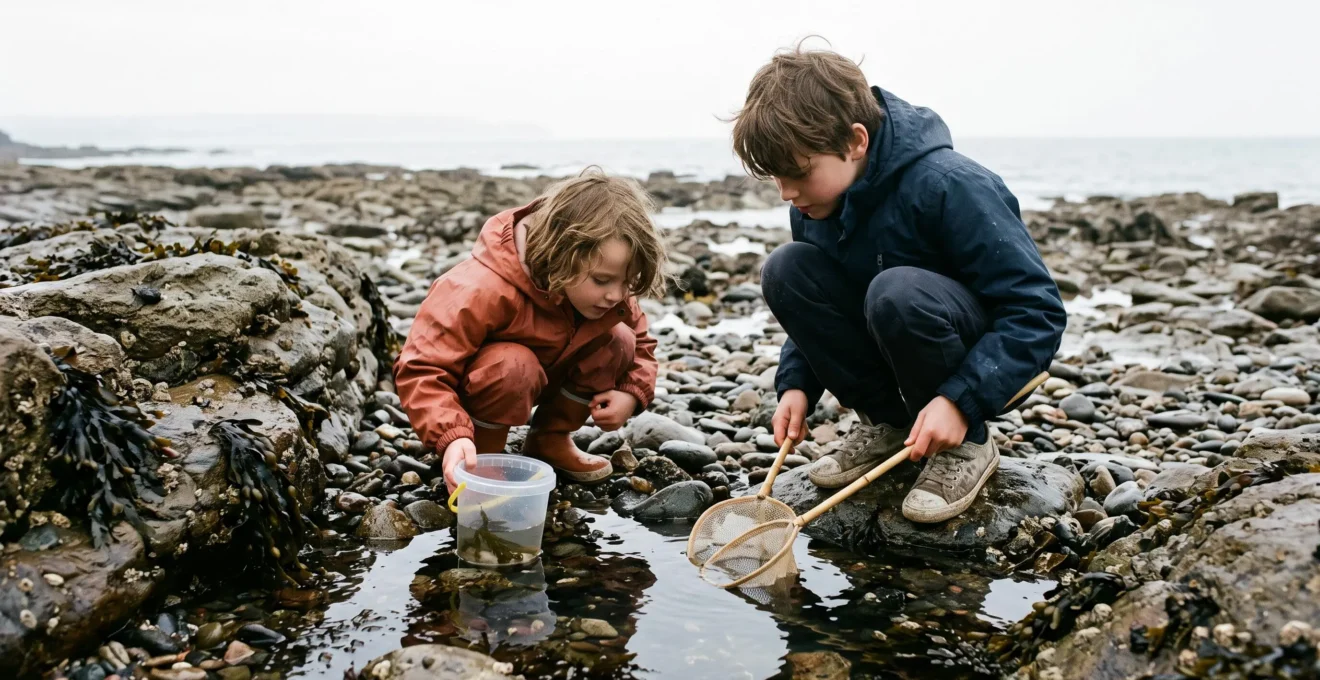
The practical limit is stamina and timing: plan one “anchor” activity per day (beach, market, boat/harbour time), then keep the rest flexible. Younger children often do best with shorter loops and frequent stops—playing on a beach, looking for crabs at low tide, or a snack break in a village square.
What is there to do beyond the beach?
Think in terms of experiences that work on two levels: hands-on for children, sensory and cultural for adults. Markets are a classic example—children can choose fruit or treats, adults can discover local produce and small specialities without committing to a long “activity”.
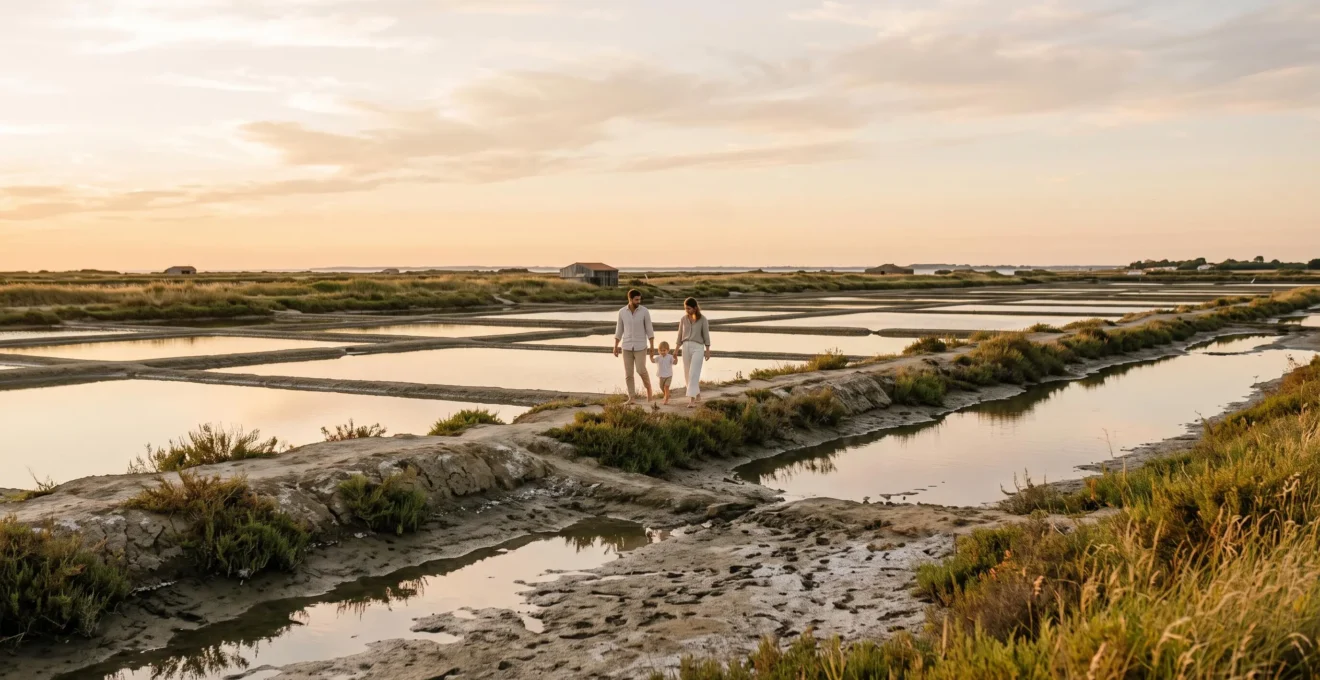
A visit to the salt marshes can offer a different perspective on the island, with opportunities to observe the landscape, its birdlife and the traditional work of salt production. Families can choose a walk or a guided visit depending on the children’s ages and interest. Food also provides an easy way to discover local traditions, from tasting oysters to exploring the island’s markets and seafood restaurants.
How does the experience change between summer and the shoulder seasons?
Summer tends to bring the fullest choice of services and the busiest beaches—great if you want lively evenings and a broad range of open restaurants, but less ideal if your definition of luxury includes space and quiet. Shoulder seasons can feel more exclusive simply because the island is less crowded, though some businesses may reduce opening hours.
The decision is usually about what you value most: maximum buzz and convenience versus calmer landscapes and easier tables. If you’re travelling with children who don’t cope well with queues or late dinners, the shoulder season can be a strong fit.
Planning Your Stay: Practical Tips for Families
Planning a luxury family holiday on Île de Ré is mostly about removing friction: choosing the right base village, keeping transfers simple, and matching your itinerary to your children’s rhythm. The island is compact, but “compact” doesn’t mean identical—each area changes how your days will flow.
How should you get there from Paris or the UK?
From Paris, the most practical route depends on whether you plan to travel by train or by car. If you take the train, allow for the transfer between your arrival station and your accommodation on the island. Travelling by car offers more flexibility for luggage and family equipment, although summer traffic around the bridge can affect journey times. In either case, planning the final leg in advance can make arrival considerably easier with children.
When is the best time to visit Île de Ré with kids?
It depends on your trade-off between atmosphere and ease. Peak summer can be fantastic for beach-centric days and lively harbour evenings, but it’s also when availability is tightest and you’ll feel crowds most.
Many families find the sweet spot in late spring or early autumn: enough warmth for outdoor living, a calmer pace for cycling, and a feeling of having the island’s landscapes more to yourselves. The limit is that some seasonal services may operate reduced hours, so check opening times once you have shortlist dates.
What to prioritise when choosing upmarket family accommodation
- Separate sleeping areas or adjoining rooms, so children and adults can follow different routines.
- A private outdoor area, such as a terrace or garden, for relaxing between outings.
- Family facilities, including a cot, high chair or suitable kitchen equipment when needed.
- Practical services such as housekeeping, breakfast or on-site dining, depending on the type of accommodation.
- Secure bike storage and convenient access to cycle routes.
- Accommodation near a busy harbour may be noisier on summer evenings.
- Properties close to quieter beaches may be farther from shops and restaurants.
- Some facilities and services may be seasonal, so check what will be available during your stay.
What should you pack and book early for an easier week?
For a smoother stay, treat cycling like a core part of the holiday, not an optional extra. Even if you plan to hire bikes on arrival, it helps to decide early on the set-up (child seats, trailers, helmets, baskets) so your first day doesn’t disappear into logistics.
In peak periods, restaurants and standout accommodation can fill up, and families often prefer earlier dining slots. If one or two special meals are part of your idea of a luxury family break in France, reserve those first—then let the rest of the week stay flexible.
A hypothetical family itinerary
Would it suit a week away rather than a short trip?
Yes, and a week can actually feel easier than a rushed long weekend. With seven days, you can alternate “active” and “rest” rhythms—one day focused on cycling and exploration, the next built around a beach you already know works for your children.
The only caveat is weather flexibility. If you’re travelling outside high summer, having a week gives you more chances to catch the best outdoor windows, rather than betting everything on two or three days.
Why the Île de Ré Rewards the Curious Traveller
Île de Ré can be a strong choice for families who want a comfortable holiday without giving up the character of a traditional coastal destination. Its villages, cycle paths, beaches and local food make it possible to combine time together with a varied programme that does not need to be planned down to the last detail.
Before booking, choose the season that best suits your family and decide whether you would rather stay close to a lively harbour or in a quieter area near the beaches. Checking accommodation facilities, transport options and seasonal opening hours will help ensure that the island’s relaxed pace also works in practice.
The next step is simple: pick your season first (buzzier summer or calmer shoulder months), then pick your base village to match your family’s pace. Once those two choices are made, the island tends to do the rest—quietly, and very well.